
Optimal Timing for Shrub Trimming
Understanding the optimal timing for shrub trimmings enhances plant health and appearance. Proper scheduling ensures shrubs recover quickly and maintain their shape and vigor.
Performed before new growth begins, typically in early spring, to shape shrubs and promote healthy growth.
Light trimming during mid-summer helps maintain shape and remove dead or overgrown branches.
Ideal for reducing size and preparing shrubs for winter dormancy, usually in late fall.

Ways to make Shrub Trimmings work in tight or awkward layouts.

Popular materials for Shrub Trimmings and why they hold up over time.

Simple add-ons that improve Shrub Trimmings without blowing the budget.
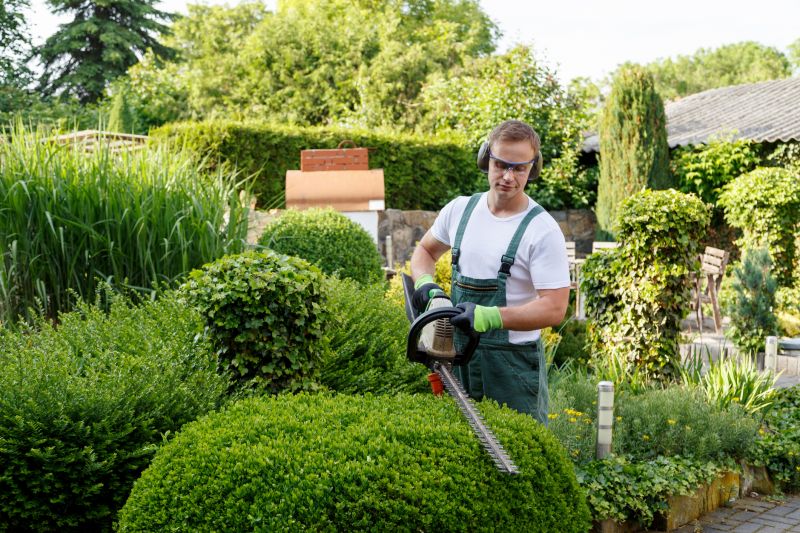
High-end options that actually feel worth it for Shrub Trimmings.

Finishes and colors that play nicely with Shrub Trimmings.
Little measurements that prevent headaches on Shrub Trimmings day.
| Season | Best Practices |
|---|---|
| Spring | Trim before new growth starts; remove dead or damaged branches. |
| Summer | Conduct light trimming; focus on shaping and removing overgrowth. |
| Fall | Reduce size; clear away dead material; prepare for winter. |
| Winter | Generally avoid trimming unless necessary for safety or health. |
Regular shrub trimmings also support pest control by removing dead or diseased branches that can harbor insects or pathogens. The frequency and timing of trimming depend on the species, growth rate, and local climate conditions.
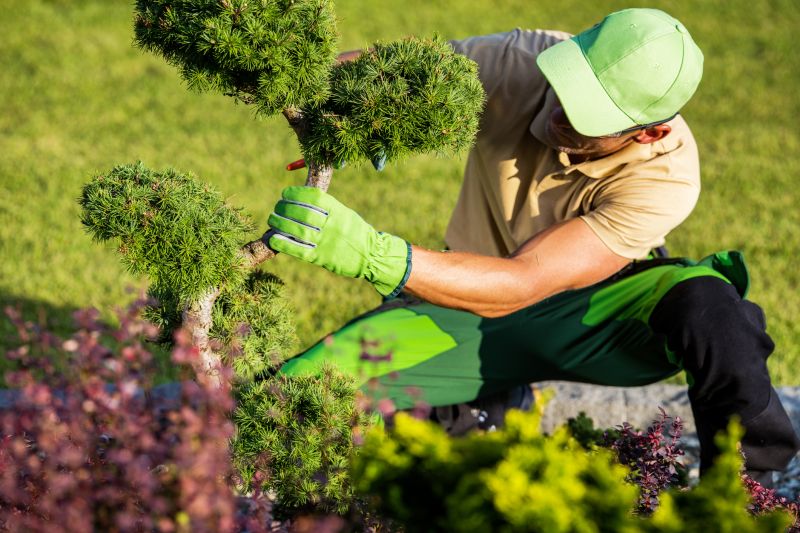
A 60-second routine that keeps Shrub Trimmings looking new.
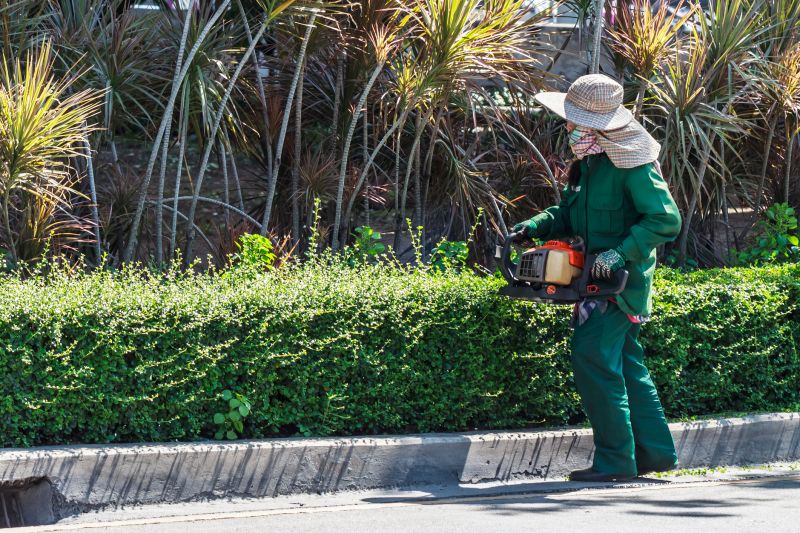
A frequent mistake in Shrub Trimmings and how to dodge it.
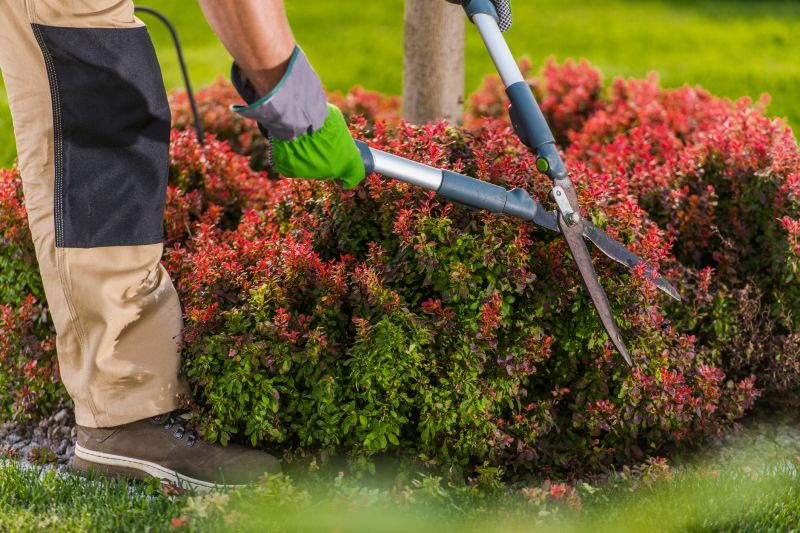
Small tweaks to make Shrub Trimmings safer and easier to use.

Lower-waste or water-saving choices for Shrub Trimmings.
Interested in scheduling shrub trimmings? Contact for more information or to arrange a consultation and ensure shrubs receive proper care at the right time.